
Will Digital Marketing Replace Traditional Marketing
In recent years, the emergence of digital marketing has revolutionized the way businesses connect with their target audience. The rise of social media, search engines, and online platforms has opened up new avenues for marketing and advertising. However, does this mean traditional marketing methods are becoming obsolete? In this blog, we explore the impact of digital marketing on traditional marketing and analyze whether it will completely replace its traditional counterpart.

- The Shift to Digital: Digital marketing has gained immense popularity due to its cost-effectiveness, wider reach, and measurable results. Businesses are increasingly investing in online advertising, social media marketing, search engine optimization, and content marketing. The ability to target specific demographics, track engagement, and analyze data has made digital marketing an attractive option for businesses of all sizes.
- Advantages of Digital Marketing: Digital marketing offers several advantages over traditional marketing. It allows for precise targeting, personalized messaging, and real-time interaction with customers. The ability to track and measure marketing efforts provides valuable insights for optimizing campaigns. Additionally, digital marketing offers a level of flexibility and scalability that traditional marketing cannot match.
- Traditional Marketing’s Strengths: While digital marketing has gained momentum, traditional marketing methods still hold relevance. Traditional marketing channels such as television, radio, print, and outdoor advertising continue to reach specific demographics and engage audiences in unique ways. For businesses targeting older demographics or niche markets, traditional marketing may still be effective.
- Integration and Synergy: Rather than a complete replacement, the future of marketing lies in the integration and synergy of digital and traditional approaches. Many successful marketing campaigns combine digital and traditional methods to create a comprehensive strategy. For example, businesses may use digital channels to create awareness and drive online engagement, while using traditional channels for brand building and creating a physical presence.
- Evolving Consumer Behavior: Consumer behavior has shifted significantly towards digital platforms. With the widespread use of smartphones and the rise of e-commerce, consumers are increasingly turning to digital channels for information and purchasing decisions. To stay relevant and connect with their target audience, businesses must adapt their marketing strategies to include digital components.
- The Importance of Omnichannel Marketing: Omnichannel marketing, which involves delivering a seamless and integrated customer experience across various channels, is becoming essential. By combining digital and traditional channels, businesses can provide a consistent brand experience and engage customers at multiple touchpoints. This approach recognizes that different customers prefer different channels and ensures a holistic marketing strategy.
- The Power of Data and Analytics: One of the key advantages of digital marketing is the ability to collect and analyze data. By leveraging data and analytics, businesses can gain valuable insights into consumer behavior, campaign performance, and ROI. This data-driven approach enables marketers to make informed decisions and continuously optimize their marketing efforts for better results.
- Cost-effectiveness and ROI: Digital marketing often offers a higher return on investment (ROI) compared to traditional marketing methods. Digital campaigns can be implemented with lower costs, especially for small businesses with limited marketing budgets. The ability to target specific audience segments and track the performance of digital campaigns allows businesses to optimize their marketing spend and achieve higher efficiency.
- Real-time Communication and Interactivity: Digital marketing enables real-time communication and interactivity with customers. Through social media platforms, live chat, and interactive content, businesses can engage in direct conversations, gather feedback, and provide immediate customer support. This level of engagement and responsiveness enhances the customer experience and builds stronger relationships, which can be more challenging with traditional marketing methods.
- Global Reach and Accessibility: Digital marketing breaks down geographical barriers and allows businesses to reach a global audience. With the internet’s widespread availability and the rise of mobile devices, businesses can connect with potential customers across borders, expanding their market reach. This global accessibility provides tremendous growth opportunities for businesses, particularly those in niche industries or with unique products or services.
- Personalization and Targeting: Digital marketing allows for highly targeted and personalized marketing messages. Through data analysis and segmentation, businesses can create tailored content and offers that resonate with specific customer segments. Personalization enhances the relevance and effectiveness of marketing campaigns, leading to higher conversion rates and customer satisfaction. Traditional marketing, on the other hand, may have more limitations in delivering personalized messages to a broad audience.
- Measurability and Analytics: Digital marketing provides comprehensive data and analytics that enable businesses to track, measure, and analyze campaign performance in real-time. Metrics such as website traffic, click-through rates, conversion rates, and engagement levels offer valuable insights into the effectiveness of marketing efforts. This data-driven approach empowers businesses to make data-informed decisions, optimize their campaigns, and allocate resources more efficiently.
- Evolving Consumer Preferences: Consumer preferences are continuously evolving, with a growing number of individuals relying on digital channels for information, entertainment, and shopping. The prevalence of online research, social media influence, and e-commerce has significantly impacted consumer behavior. Businesses need to adapt to these changes and leverage digital marketing to meet customers where they are and deliver personalized experiences.
- Integration of Traditional and Digital: Rather than an either-or approach, the integration of traditional and digital marketing can yield powerful results. Many successful marketing campaigns leverage a combination of channels to create a holistic brand experience. For instance, a TV or radio advertisement can drive awareness, while digital channels can be used for engagement, lead generation, and conversion. Integrated marketing strategies ensure consistency and maximize the impact of marketing efforts.
- Continuous Innovation: Digital marketing is continually evolving with new technologies, platforms, and techniques emerging regularly. Businesses that embrace digital marketing can stay at the forefront of marketing innovation and take advantage of new opportunities. By keeping up with industry trends and leveraging emerging technologies, businesses can maintain a competitive edge and adapt to changing consumer behaviors.

Certainly! Here are some additional points to further explore the topic of whether digital marketing will replace traditional marketing:
- Cost-effectiveness and ROI: Digital marketing often offers a higher return on investment (ROI) compared to traditional marketing methods. Digital campaigns can be implemented with lower costs, especially for small businesses with limited marketing budgets. The ability to target specific audience segments and track the performance of digital campaigns allows businesses to optimize their marketing spend and achieve higher efficiency.
- Real-time Communication and Interactivity: Digital marketing enables real-time communication and interactivity with customers. Through social media platforms, live chat, and interactive content, businesses can engage in direct conversations, gather feedback, and provide immediate customer support. This level of engagement and responsiveness enhances the customer experience and builds stronger relationships, which can be more challenging with traditional marketing methods.
- Global Reach and Accessibility: Digital marketing breaks down geographical barriers and allows businesses to reach a global audience. With the internet’s widespread availability and the rise of mobile devices, businesses can connect with potential customers across borders, expanding their market reach. This global accessibility provides tremendous growth opportunities for businesses, particularly those in niche industries or with unique products or services.
- Personalization and Targeting: Digital marketing allows for highly targeted and personalized marketing messages. Through data analysis and segmentation, businesses can create tailored content and offers that resonate with specific customer segments. Personalization enhances the relevance and effectiveness of marketing campaigns, leading to higher conversion rates and customer satisfaction. Traditional marketing, on the other hand, may have more limitations in delivering personalized messages to a broad audience.
- Measurability and Analytics: Digital marketing provides comprehensive data and analytics that enable businesses to track, measure, and analyze campaign performance in real-time. Metrics such as website traffic, click-through rates, conversion rates, and engagement levels offer valuable insights into the effectiveness of marketing efforts. This data-driven approach empowers businesses to make data-informed decisions, optimize their campaigns, and allocate resources more efficiently.
- Evolving Consumer Preferences: Consumer preferences are continuously evolving, with a growing number of individuals relying on digital channels for information, entertainment, and shopping. The prevalence of online research, social media influence, and e-commerce has significantly impacted consumer behavior. Businesses need to adapt to these changes and leverage digital marketing to meet customers where they are and deliver personalized experiences.
- Integration of Traditional and Digital: Rather than an either-or approach, the integration of traditional and digital marketing can yield powerful results. Many successful marketing campaigns leverage a combination of channels to create a holistic brand experience. For instance, a TV or radio advertisement can drive awareness, while digital channels can be used for engagement, lead generation, and conversion. Integrated marketing strategies ensure consistency and maximize the impact of marketing efforts.

- Continuous Innovation: Digital marketing is continually evolving with new technologies, platforms, and techniques emerging regularly. Businesses that embrace digital marketing can stay at the forefront of marketing innovation and take advantage of new opportunities. By keeping up with industry trends and leveraging emerging technologies, businesses can maintain a competitive edge and adapt to changing consumer behaviors.
Conclusion: While digital marketing has transformed the marketing landscape, traditional marketing methods still hold relevance in certain contexts. However, the growing prevalence of digital channels, evolving consumer behavior, cost-effectiveness, and the ability to personalize marketing messages make digital marketing an essential component of modern marketing strategies. Businesses that embrace digital marketing while leveraging the strengths of traditional methods can achieve greater reach, engagement, and ROI. Ultimately, the key lies in understanding the target audience, analyzing the effectiveness of different marketing channels, and adopting an integrated approach that maximizes the benefits of both digital and traditional marketing.
- Flexibility and Agility: Digital marketing offers businesses the flexibility to adapt and adjust their strategies in real-time. Unlike traditional marketing campaigns that require extensive planning and lead times, digital marketing allows for quick changes and optimizations. This agility is crucial in today’s fast-paced business environment, where trends and consumer preferences can change rapidly. Businesses can experiment, test different approaches, and make adjustments on the fly to maximize their marketing efforts.
- Multi-channel Approach: Digital marketing encompasses a wide range of channels and platforms, including social media, search engine marketing, email marketing, content marketing, influencer marketing, and more. This multi-channel approach allows businesses to reach their target audience at various touchpoints and engage with them throughout their customer journey. By leveraging multiple channels, businesses can create a cohesive brand experience and increase the chances of conversions.
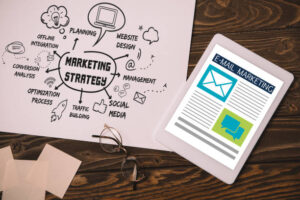
- Enhanced Customer Insights: Digital marketing provides businesses with valuable customer insights that traditional marketing methods often cannot deliver. Through analytics tools and data tracking, businesses can gather detailed information about their audience’s demographics, preferences, behaviors, and purchase patterns. This data-driven approach enables businesses to understand their customers better and tailor their marketing strategies to meet their specific needs.
- Cost-Effectiveness: Digital marketing often offers a more cost-effective alternative to traditional marketing. Traditional marketing methods such as television ads, print media, and outdoor billboards can be expensive, especially for small businesses with limited budgets. On the other hand, digital marketing allows businesses to allocate their marketing spend more efficiently by targeting specific audience segments, optimizing campaigns based on data insights, and adjusting budgets in real-time.
- Global Reach and Accessibility: Digital marketing breaks down geographical barriers and enables businesses to reach a global audience with ease. Through online advertising, businesses can target specific regions, countries, or even global markets, expanding their reach beyond the limitations of traditional marketing. Moreover, digital marketing allows businesses to be accessible 24/7, providing information and support to customers across different time zones.
- Interactive and Engaging Content: Digital marketing provides opportunities for businesses to create interactive and engaging content that captures the attention of their target audience. With the rise of social media, video marketing, live streaming, and interactive website features, businesses can create immersive experiences that foster brand loyalty and encourage user participation. This level of interactivity is often lacking in traditional marketing methods.
- Integration of Offline and Online Experiences: While digital marketing has gained prominence, it doesn’t mean that offline experiences are no longer relevant. Successful marketing strategies often integrate offline and online experiences to create a seamless customer journey. For example, businesses can leverage digital channels to generate leads and drive customers to offline events or brick-and-mortar stores. This integration allows businesses to maximize their marketing efforts and provide a cohesive brand experience.
- Continuous Evolution and Innovation: Digital marketing is constantly evolving, driven by technological advancements and changing consumer behaviors. To stay ahead in the digital landscape, businesses must adapt and embrace new trends, platforms, and techniques. Whether it’s leveraging artificial intelligence, voice search optimization, virtual reality, or influencer collaborations, businesses that embrace digital marketing can continuously innovate and find new ways to engage their target audience.
Conclusion: While digital marketing has disrupted the marketing industry and brought forth a new era of marketing strategies, it is unlikely to completely replace traditional marketing methods. Instead, businesses should adopt an integrated approach that leverages the strengths of both digital and traditional marketing. By understanding their target audience, analyzing data insights, and staying abreast of industry trends, businesses can create effective marketing campaigns that maximize reach, engagement, and conversions. Ultimately, the ideal marketing approach will depend on the specific goals, target audience, and resources of each business.