
Which Digital Marketing is Best
In today’s digital age, businesses have a plethora of digital marketing channels at their disposal to reach and engage their target audience. However, with so many options available, it can be challenging to determine which digital marketing channels are best suited for your business. In this blog, we will explore some of the most effective and popular digital marketing channels to help you make informed decisions about where to invest your time and resources.

- Search Engine Optimization (SEO): SEO is a crucial digital marketing channel that focuses on optimizing your website to improve its visibility in search engine results. By incorporating relevant keywords, creating high-quality content, and optimizing technical elements of your site, you can increase organic traffic and attract highly targeted visitors. SEO provides long-term benefits and is ideal for businesses looking to establish a strong online presence.
- Pay-Per-Click Advertising (PPC): PPC advertising allows you to display targeted ads on search engine results pages or other websites and pay only when a user clicks on your ad. Platforms like Google Ads and Bing Ads provide robust targeting options, enabling you to reach specific demographics, geographic locations, and even retarget previous website visitors. PPC offers immediate visibility and can generate quick results, making it suitable for businesses seeking immediate conversions.
- Social Media Marketing: Social media platforms such as Facebook, Instagram, Twitter, and LinkedIn have become integral parts of people’s daily lives. Leveraging these platforms for marketing purposes can help you build brand awareness, engage with your audience, and drive traffic to your website. Each platform caters to different demographics and content types, so it’s essential to identify which platforms align with your target audience and business goals.
- Content Marketing: Content marketing involves creating and sharing valuable, relevant, and informative content to attract and retain a target audience. It includes various formats such as blog posts, videos, infographics, and ebooks. Content marketing establishes your brand as an authority in your industry, drives organic traffic, and nurtures customer relationships. It is a long-term strategy that requires consistent effort and quality content creation.
- Email Marketing: Email marketing remains one of the most effective channels for engaging with your audience and nurturing customer relationships. By building an email list of interested subscribers, you can deliver personalized content, promotions, and updates directly to their inbox. Effective email marketing campaigns focus on segmentation, automation, and personalization to deliver relevant messages that drive conversions and customer loyalty.
- Influencer Marketing: Influencer marketing leverages the reach and influence of popular individuals on social media to promote your brand or products. Collaborating with influencers who align with your target audience can help you tap into their established follower base, build credibility, and increase brand visibility. Influencer marketing is particularly effective for businesses targeting younger demographics or niche markets.
- Video Marketing: Video content has become increasingly popular and can be a powerful tool for engaging and captivating your audience. Platforms like YouTube, TikTok, and Instagram Reels offer opportunities to create and share videos that showcase your products, provide tutorials, share behind-the-scenes footage, or entertain your audience. Video marketing can help you convey your brand message effectively and drive higher engagement rates.
Conclusion: Determining the best digital marketing channels for your business requires a thorough understanding of your target audience, business objectives, and available resources. While the channels mentioned above are highly effective, it’s essential to evaluate your specific needs and goals before deciding which ones to prioritize. Consider your industry, target audience demographics, budget, and the type of content that resonates with your audience. A well-rounded digital marketing strategy often combines multiple channels to reach a wider audience and achieve maximum impact. Remember to track and analyze your results to refine your strategy continuously.

- Affiliate Marketing: Affiliate marketing involves partnering with affiliates who promote your products or services in exchange for a commission on sales. This channel can expand your reach and drive conversions by leveraging the affiliate’s existing audience and influence. Affiliate marketing is particularly effective for e-commerce businesses or those with digital products.
- Display Advertising: Display advertising involves placing visual ads on websites, mobile apps, or social media platforms. These ads can be in the form of banners, images, or videos. Display advertising allows you to target specific demographics, interests, or websites to reach your audience. It is effective for brand awareness and remarketing campaigns.
- Podcast Advertising: Podcast advertising has gained popularity due to the growth of podcast consumption. By sponsoring or advertising on relevant podcasts, you can reach engaged audiences and create brand awareness. Podcast ads can be host-read or pre-recorded and offer opportunities for product endorsements, interviews, or sponsored segments.
- Influencer Marketing: In addition to social media platforms, influencer marketing extends to blogs and other online platforms. Collaborating with influencers who have a strong following and credibility in your industry can help you reach new audiences and build trust. Influencers can create sponsored content, write reviews, or endorse your products or services.
- Mobile Marketing: With the increasing use of smartphones, mobile marketing has become crucial. It includes tactics like mobile app advertising, SMS marketing, push notifications, and mobile-responsive website design. Mobile marketing allows you to target users on their mobile devices and deliver personalized, location-based messages.
- Voice Search Optimization: As voice assistants like Siri, Alexa, and Google Assistant become more prevalent, optimizing your content for voice search is essential. Voice search optimization involves adapting your website and content to match the conversational and natural language used in voice queries. This helps improve your visibility and organic traffic from voice searches.
- Chatbots and Messaging Apps: Chatbots and messaging apps enable businesses to engage with their audience in real-time, provide customer support, and automate responses. These tools can handle frequently asked questions, guide users through the sales process, and provide personalized recommendations. Chatbots and messaging apps can enhance customer experience and streamline communication.
- Webinars and Online Events: Webinars and online events allow you to educate and engage with your audience in a live or recorded format. They provide opportunities to showcase your expertise, deliver valuable content, and interact with attendees. Webinars and online events can generate leads, build brand authority, and foster relationships with your target audience.

Remember, the effectiveness of each digital marketing channel may vary depending on your business type, target audience, industry, and goals. It’s important to conduct thorough research, monitor performance metrics, and adapt your strategy accordingly. A comprehensive digital marketing approach often involves a combination of channels to create a cohesive and integrated marketing strategy.digital marketing
Conclusion: Digital marketing offers a wide range of channels to reach and engage your target audience. From search engine optimization and pay-per-click advertising to social media marketing, content marketing, and email marketing, businesses can leverage various channels to achieve their marketing objectives. It’s crucial to evaluate your specific business needs, target audience preferences, and available resources when selecting the best digital marketing channels for your strategy. By utilizing a mix of channels and continually analyzing and optimizing your efforts, you can maximize your reach, conversions, and overall marketing success.
- Search Engine Marketing (SEM): SEM combines SEO and PPC advertising to increase your visibility in search engine results. While SEO focuses on organic rankings, SEM includes paid search campaigns through platforms like Google Ads. SEM allows you to target specific keywords, demographics, and locations, and it can be an effective way to drive immediate traffic and conversions.
- Remarketing: Remarketing, also known as retargeting, allows you to show ads to users who have previously visited your website or interacted with your brand. It helps keep your brand top of mind and encourages users to return and complete their desired actions. Remarketing can be implemented through display advertising, social media platforms, or email marketing.digital marketing
- Native Advertising: Native advertising blends in with the surrounding content on a website or platform, appearing as a natural part of the user experience. These ads are designed to match the style, format, and context of the platform, making them less intrusive and more likely to be noticed. Native advertising can increase engagement and drive traffic to your website or landing pages.
- Influencer Collaborations: Expanding on influencer marketing, collaborating with influencers goes beyond sponsored posts. It involves co-creating content, hosting events or webinars together, or developing long-term partnerships. By aligning your brand with influencers, you can tap into their expertise, creativity, and loyal followers, ultimately increasing brand exposure and driving conversions.

- Online PR and Media Outreach: Online PR and media outreach involve building relationships with relevant online publications, bloggers, and journalists to secure coverage and mentions. Getting featured in industry publications or reputable websites can significantly boost your brand’s visibility, credibility, and authority. It also helps generate backlinks, improving your SEO efforts.
- Social Media Advertising: While organic social media marketing is valuable, social media advertising allows you to reach a wider audience and achieve specific campaign objectives. Platforms like Facebook, Instagram, Twitter, and LinkedIn offer advanced targeting options, allowing you to select demographics, interests, and behaviors to display your ads to the most relevant audience.
- Influencer Takeovers: An influencer takeover involves handing over your social media accounts to an influencer for a specified period. During this time, the influencer creates and shares content, engages with your audience, and promotes your brand. Takeovers can bring fresh perspectives, increase engagement, and expose your digital marketing ,brand to the influencer’s followers.
- Online Reviews and Reputation Management: Online reviews and reputation management play a crucial role in digital marketing. Positive reviews and ratings on platforms like Google, Yelp, or industry-specific review sites build trust and influence purchase decisions. Managing your online reputation involves monitoring reviews, responding to feedback, and addressing customer concerns promptly and professionally.
- Augmented Reality (AR) and Virtual Reality (VR): AR and VR technologies offer immersive experiences that can enhance customer engagement and drive conversions. AR allows users to overlay digital elements on the real world, while VR creates simulated environments. These technologies can be utilized in product demos, virtual tours, interactive games, and more to create memorable and interactive brand experiences.
- Data Analytics and Marketing Automation: While not a marketing channel in itself, leveraging data analytics and marketing automation tools is essential for optimizing your digital marketing efforts. Data analytics provides insights into user behavior, campaign performance, and customer preferences, enabling data-driven decision-making. Marketing automation streamlines repetitive tasks, personalizes communication, and nurtures leads throughout the customer journey.
- Web Analytics: Web analytics tools, such as Google Analytics, provide valuable insights into website traffic, user behavior, and conversion rates. By analyzing data like page views, bounce rates, and conversion funnels, you can identify areas for improvement and optimize your digital marketing campaigns.digital marketing
- User-generated Content (UGC): User-generated content refers to content created by your customers or users, such as reviews, testimonials, social media posts, and videos. UGC is highly influential as it showcases authentic experiences and acts as social proof. Encouraging and leveraging UGC can boost brand trust and engagement.
- Mobile App Marketing: If your business has a mobile app, marketing it effectively is crucial. This includes optimizing your app store listing with relevant keywords, implementing app store optimization (ASO) techniques, and promoting your app through digital advertising, social media, and influencer collaborations. Mobile app marketing can help increase app downloads and user engagement.digital marketing
- Live Streaming: Live streaming has gained popularity across social media platforms, providing a real-time and interactive way to engage with your audience. Whether it’s hosting live Q&A sessions, product demonstrations, behind-the-scenes glimpses, or virtual events, live streaming can help you connect with your audience in an authentic and immediate manner.
- Geofencing and Location-based Marketing: Geofencing allows you to target users based on their physical location, sending them relevant messages or offers when they enter a predefined area. Location-based marketing leverages the proximity of users to your physical store or event to drive foot traffic and conversions. These strategies are effective for local businesses and events.
- Influencer Affiliate Marketing: Combining influencer marketing with affiliate marketing can be a powerful approach. digital marketing , Instead of a one-time sponsored post, influencers become affiliates and earn a commission for each sale they generate through their unique referral links. This aligns their incentives with driving conversions, resulting in more targeted and effective promotional efforts.
- Artificial Intelligence (AI) and Machine Learning (ML): AI and ML technologies are revolutionizing digital marketing by automating processes, personalizing experiences, and predicting consumer behavior. AI-powered chatbots can provide instant customer support, ML algorithms can optimize ad targeting, and AI-driven content creation tools can assist in generating high-quality content.
- Integrated Marketing Campaigns: Integrated marketing campaigns involve coordinating and aligning various digital marketing channels to deliver a consistent and cohesive message across multiple touchpoints. By combining channels like social media, email marketing, content marketing, and offline advertising, integrated campaigns maximize brand exposure and enhance campaign effectiveness.
- Web Personalization: Web personalization involves tailoring the content and user experience on your website based on individual preferences and behaviors. By using data such as browsing history, demographics, and past interactions, you can deliver personalized recommendations, customized offers, and relevant content, thereby increasing engagement and conversions.
- Emerging Technologies: Staying abreast of emerging technologies can give your digital marketing efforts a competitive edge. This includes exploring opportunities with voice search, augmented reality (AR), virtual reality (VR), chatbots, blockchain, and other innovative technologies that have the potential to transform the digital landscape and create unique marketing experiences.
- Web Analytics: Web analytics tools, such as Google Analytics, provide valuable insights into website traffic, user behavior, and conversion rates. By analyzing data like page views, bounce rates, and conversion funnels, you can identify areas for improvement and optimize your digital marketing campaigns.digital marketing
- Remember, the best digital marketing channels for your business will depend on your specific goals, target audience, industry, and available resources. It’s essential to continuously monitor and analyze the performance of your marketing efforts, experiment with different channels, and adapt your strategy based on data-driven insights to maximize your marketing ROI.
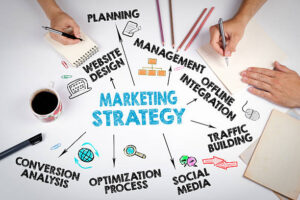
Remember, the effectiveness of each digital marketing channel will vary depending on your business objectives, target audience, and industry. It’s essential to continually monitor and analyze the performance of your digital marketing efforts and adapt your strategies accordingly. By staying informed, experimenting with new channels and technologies, and focusing on delivering value to your audience, you can maximize