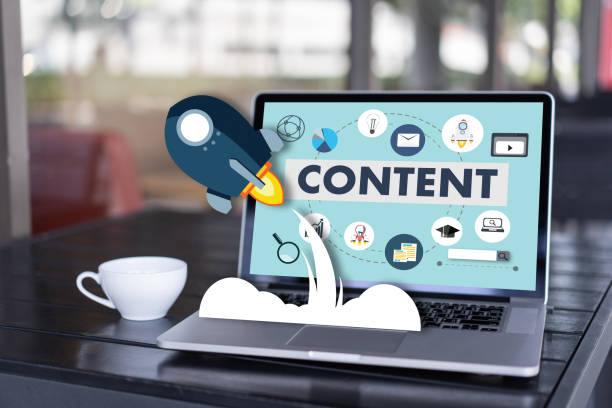
will digital marketing die
Digital marketing has revolutionized the way businesses connect with their target audience, driving growth, and innovation in the marketing landscape. However, with the constant evolution of technology and changing consumer behaviors, some have raised concerns about the longevity of digital marketing. In this blog, we will explore whether digital marketing is at risk of dying and delve into the future of marketing in a digital world.

The Ever-Evolving Nature of Marketing: Before we dive into the topic, it’s important to acknowledge that marketing has always been in a state of constant evolution. Over the years, marketing methods have shifted from print advertisements to radio, television, and eventually digital platforms. Each evolution brings new opportunities and challenges, requiring marketers to adapt their strategies accordingly.
The Rise of Digital Marketing: Digital marketing emerged as a response to the changing media landscape and the increasing reliance on digital platforms. It offers businesses a wide range of channels and tools to reach and engage with their target audience. From search engine optimization (SEO) and social media marketing to content creation and email campaigns, digital marketing has become an integral part of a comprehensive marketing strategy.
Factors Driving the Growth of Digital Marketing: To understand the future of digital marketing, we need to examine the factors that have fueled its growth and continue to shape its trajectory:
- Increasing Internet Penetration: As more people gain access to the Internet worldwide, the potential audience for digital marketing expands. The internet has become an integral part of our lives, and businesses have recognized its power in reaching and influencing consumers.
- Mobile Revolution: The proliferation of smartphones has transformed how people consume information and interact with brands. Mobile devices have become an essential channel for digital marketing, with mobile advertising, apps, and optimized websites providing opportunities for businesses to connect with users on the go.
- Data-Driven Insights: Digital marketing offers unprecedented access to data and analytics, enabling businesses to understand their target audience better. Through data analysis, businesses can make informed decisions, optimize campaigns, and personalize their marketing efforts, resulting in improved ROI and customer experiences.
- Personalization and Customer-Centric Approach: Consumers now expect personalized experiences and relevant content. Digital marketing allows businesses to tailor their messages and offerings based on individual preferences and behaviors, creating meaningful connections with customers.
- Social Media and Influencer Marketing: The rise of social media platforms has transformed how businesses engage with their audience. Social media marketing, combined with influencer collaborations, provides brands with powerful tools to reach and influence consumers in an authentic and relatable way.
- Automation and Artificial Intelligence (AI): Automation tools and AI algorithms have streamlined marketing processes, allowing businesses to automate repetitive tasks, analyze vast amounts of data, and deliver targeted messages at scale. These technologies enhance efficiency and effectiveness in digital marketing campaigns.
The Future of Marketing: While the digital marketing landscape continues to evolve, it is highly unlikely that digital marketing will die. Instead, we can expect it to adapt and evolve further. Here are some key trends that will shape the future of marketing:
- Integration of Online and Offline Experiences: The line between online and offline experiences will continue to blur. Businesses will need to create seamless omnichannel experiences that bridge the gap between physical and digital touchpoints, offering consistent messaging and personalized interactions throughout the customer journey.

- Voice and Visual Search Optimization: With the rise of voice-activated virtual assistants and visual search technologies, marketers will need to optimize their content to cater to these new search formats. Voice search optimization and visual search strategies will become essential components of digital marketing campaigns.
- Artificial Intelligence and Automation: AI will play an increasingly significant role in marketing, automating tasks, and providing valuable insights. Machine learning algorithms will analyze data to identify patterns, predict customer behavior, and optimize marketing strategies
- Hyper-Personalization: As technology advances, marketers will have access to even more data, allowing for hyper-personalization at an individual level. AI-powered algorithms will analyze vast amounts of customer data to deliver highly tailored experiences, personalized product recommendations, and targeted messaging.
- Augmented Reality (AR) and Virtual Reality (VR): AR and VR technologies will become more prevalent in marketing, providing immersive and interactive experiences for consumers. Businesses can leverage these technologies to showcase products, create virtual showrooms, and offer virtual try-on experiences, enhancing customer engagement and driving conversions.
- Enhanced Data Privacy and Transparency: With growing concerns about data privacy, marketers will need to prioritize data protection and transparency. Stricter regulations and consumer demands will drive businesses to implement robust data security measures, obtain explicit consent, and provide transparent data handling practices, earning the trust of customers.
- Content Marketing Evolution: Content marketing will remain a key component of digital marketing strategies. However, the format and delivery of content will continue to evolve. Short-form video content, live streaming, and interactive content will gain more prominence as consumers seek engaging and shareable experiences.
- Influencer Marketing Maturity: Influencer marketing will continue to evolve as influencers become more professional and accountable. Brands will focus on building long-term relationships with influencers who align with their values, and influencer campaigns will be more data-driven and focused on measurable outcomes.
- Sustainable and Ethical Marketing: With the growing emphasis on sustainability and ethics, businesses will need to incorporate these values into their marketing strategies. Sustainable practices, transparent supply chains, and social responsibility initiatives will be important factors in attracting and retaining customers.

- Emerging Technologies: As technology continues to advance, new marketing opportunities will arise. Technologies such as blockchain, Internet of Things (IoT), and 5G connectivity will create new avenues for marketers to engage with consumers, gather data, and deliver personalized experiences.
- Conclusion: Digital marketing is not likely to die but will continue to evolve in response to changing consumer behaviors and technological advancements. The future of marketing will be driven by data-driven insights, personalization, emerging technologies, and a customer-centric approach. Marketers who embrace these trends and adapt their strategies accordingly will thrive in the digital landscape, forging meaningful connections with consumers and driving business growth. As long as there are consumers and businesses, marketing in some form will always exist, albeit in ever-evolving ways.
- Micro-Influencers and User-Generated Content: As consumers seek more authentic and relatable experiences, micro-influencers and user-generated content will play a significant role in marketing. Micro-influencers, with their smaller but highly engaged following, will continue to gain popularity as brands recognize the value of niche audiences. User-generated content, such as customer reviews, testimonials, and social media posts, will serve as powerful social proof and influence purchase decisions.
- Privacy-First Marketing: With increasing concerns about data privacy, marketers will need to adopt privacy-first approaches to build trust with consumers. Strategies such as permission-based marketing, secure data handling practices, and transparent opt-in processes will become standard. Privacy-focused messaging will assure customers that their personal information is protected, fostering stronger relationships between brands and consumers.
- Emphasis on Customer Experience: The customer experience will remain a central focus in marketing. Businesses will need to prioritize seamless, personalized, and memorable experiences across all touchpoints. This includes optimizing website and app usability, providing exceptional customer service, and leveraging technologies like chatbots and AI-powered assistants to deliver instant and relevant support.
- Integration of Social Impact: Consumers are increasingly drawn to brands that align with their values. Marketing efforts will integrate social impact initiatives and purpose-driven messaging. Brands that demonstrate their commitment to social and environmental causes will resonate with socially conscious consumers, fostering brand loyalty and advocacy.
- Interactive and Immersive Experiences: Interactive and immersive experiences will continue to gain traction in marketing. Virtual events, gamification, and augmented reality (AR) experiences will provide unique and engaging ways for brands to connect with their audience. These interactive elements create memorable moments and foster deeper emotional connections with consumers.
- Voice Commerce: As voice assistants become more sophisticated, voice commerce will rise in prominence. Marketers will need to optimize their strategies to cater to voice search queries and leverage voice-activated devices for personalized recommendations and seamless purchasing experiences. Voice-enabled shopping will transform the way consumers make purchases, requiring businesses to adapt their digital marketing efforts accordingly.
- Integration of Artificial Intelligence: Artificial intelligence (AI) will continue to revolutionize marketing. AI-powered chatbots, recommendation engines, and predictive analytics will enhance customer interactions, automate processes, and deliver personalized experiences. Marketers will leverage AI to gain actionable insights from large data sets, optimize advertising campaigns, and improve targeting and segmentation strategies.
- Agility and Adaptability: The marketing landscape will remain dynamic, with new technologies and trends emerging regularly. Marketers will need to be agile and adaptable, continuously learning and evolving their strategies to stay ahead of the curve. The ability to embrace change, experiment with new approaches, and quickly adapt to consumer preferences will be key to success.
- Collaboration and Partnerships: In an increasingly interconnected world, collaboration and partnerships between businesses will drive marketing efforts. Strategic collaborations with complementary brands, influencers, and industry leaders will expand reach, tap into new markets, and enhance brand perception.

- Data Ethics and Regulation: The responsible use of data will become paramount. Stricter data protection regulations will shape the marketing landscape, requiring businesses to be transparent, ethical, and accountable in their data practices. Marketers will need to prioritize data ethics, ensure compliance with regulations, and build trust with consumers by safeguarding their personal information.
- Conclusion: The future of marketing is exciting and filled with opportunities for businesses to connect with their target audience in innovative and meaningful ways. As technology continues to advance and consumer behaviors evolve, marketers must adapt their strategies to stay relevant. By embracing personalization, emerging technologies, ethical practices, and customer-centric approaches, businesses can navigate the ever-changing marketing landscape and drive growth in the digital era.
- Hyper-Targeting and Micro-Segmentation: With advancements in data analytics and AI, marketers will have the ability to hyper-target and micro-segment their audience. This level of precision will allow for personalized messaging, tailored offers, and highly relevant content. By understanding individual preferences, behaviors, and needs, marketers can deliver more personalized and impactful experiences to their customers.
- Social Messaging and Conversational Marketing: Messaging apps and social media platforms have become popular communication channels. Marketers will leverage these platforms for conversational marketing, engaging in personalized conversations with customers, and providing instant support. Chatbots and AI-powered assistants will play a significant role in automating and enhancing these conversations.
- Privacy-Enhancing Technologies: As privacy concerns continue to grow, technologies that prioritize user privacy and data protection will emerge. Tools like decentralized identity systems, differential privacy, and secure data-sharing protocols will enable marketers to gather insights while respecting user privacy. Embracing these technologies will be crucial in maintaining customer trust and complying with evolving privacy regulations.
- Influencer Diversification: Influencer marketing will expand beyond traditional social media influencers. Brands will seek out micro-influencers in niche communities, industry experts, and even employees as brand advocates. Diversifying influencer partnerships will allow for a more targeted and authentic reach, connecting with specific audiences and fostering deeper connections.
- Emotional Intelligence in Marketing: Emotional intelligence will become a critical aspect of marketing strategies. Understanding and appealing to consumers’ emotions will create more impactful and memorable experiences. Marketers will leverage storytelling, emotional branding, and empathetic messaging to forge emotional connections that resonate with their audience.
- Augmented Data Analytics: Augmented analytics, powered by AI and machine learning, will revolutionize data analysis and insights. These tools will help marketers extract valuable insights from complex data sets, identify patterns, predict trends, and make data-driven decisions with greater accuracy and efficiency. Augmented analytics will empower marketers to uncover actionable insights and drive strategic marketing initiatives.
- Cross-Channel Integration: The future of marketing will involve seamless integration across multiple channels and touchpoints. Marketers will need to create cohesive customer experiences that transcend individual platforms. Integrated campaigns that span social media, email, search, and offline channels will ensure consistent messaging and a unified brand experience.
- Agile Marketing and Experimentation: Agile marketing methodologies will gain prominence as marketers embrace flexibility and adaptability. The ability to quickly iterate, test new ideas, and learn from data will be essential for success. Marketers will experiment with new technologies, platforms, and strategies to stay ahead of the competition and meet evolving consumer expectations.
- Voice Branding: With the rise of voice assistants and smart speakers, voice branding will become crucial. Marketers will need to develop distinctive and memorable brand voices that align with their brand values. Voice-activated devices will provide new opportunities for brands to engage with consumers and create unique audio experiences.

- Continuous Learning and Skill Development: As the marketing landscape evolves, marketers will need to embrace continuous learning and upskill themselves. Staying updated with the latest trends, technologies, and consumer behaviors will be vital for success. Marketers who invest in their professional development and acquire new skills will be better positioned to navigate the changing marketing landscape.
- Conclusion: The future of marketing is driven by technological advancements, evolving consumer behaviors, and a focus on personalization and ethical practices. Marketers must adapt to these changes, leverage emerging technologies, and prioritize customer experiences to stay competitive. By embracing hyper-targeting, conversational marketing, privacy-enhancing technologies, and continuous learning, businesses can thrive in the ever-evolving marketing landscape, forging meaningful connections with customers and driving sustainable growth.